
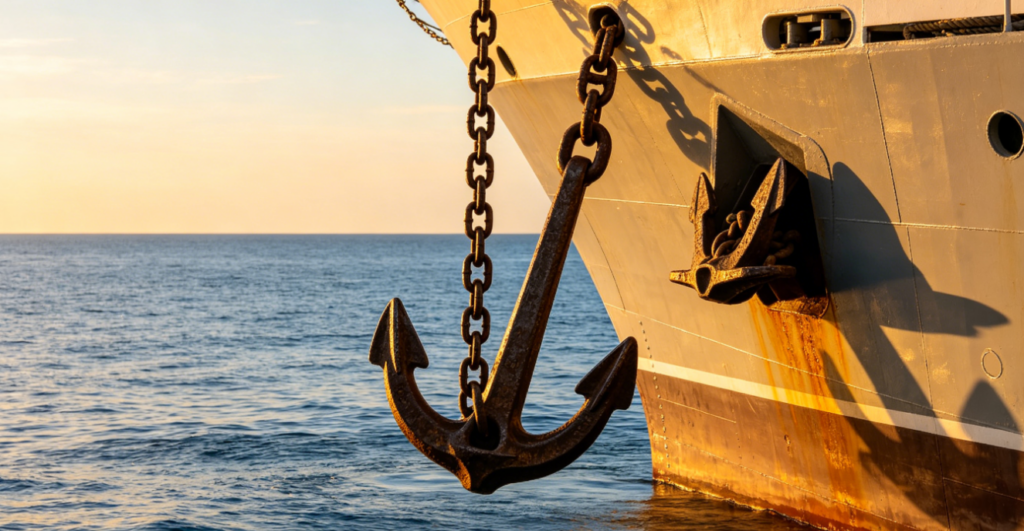
Anchor chains for ensuring the safety of your vessel. When it comes to marine safety and industrial rigging, the anchor chain is one of the most critical components. It serves as the backbone of anchoring systems, ensuring vessels, offshore platforms, and heavy equipment stay secure even in harsh conditions. Whether you’re a shipowner, marine engineer, or industrial operator, understanding the key aspects of anchor chain is essential for choosing the right product and ensuring long-term reliability.
What Is an Anchor Chain?
An anchor chain is a heavy-duty chain designed specifically for anchoring and mooring purposes. Unlike standard industrial chains, it is built to withstand extreme tension, saltwater corrosion, and repeated impact from waves and currents. It connects the anchor to the vessel or structure, transferring the holding force of the anchor to keep everything stable.
Made from high-tensile steel or carbon steel, anchor chains undergo rigorous heat treatment and forging processes. This enhances their strength, durability, and resistance to wear—critical for long-term use in marine and industrial environments.
Key Types of Anchor Chains
Not all anchor chains are the same. The right type depends on your application, vessel size, and operating conditions. Here are the most common types used in marine and industrial settings:
1. Stud Link Anchor Chain
Stud link anchor chain is the most widely used type in commercial shipping and offshore operations. It features a stud (a small metal piece) inside each link. This stud prevents the links from deforming under heavy loads.
It is available in different grades, including Grade 30, Grade 43, and Grade 70, each designed for specific load capacities. Stud link chains are ideal for large vessels, tankers, and offshore platforms.
2. Studless Link Anchor Chain
Studless link anchor chain is simpler in design, with no internal stud. It is lighter and more flexible than stud link chains, making it suitable for smaller vessels, fishing boats, and coastal mooring.
While it has a lower load capacity, it is cost-effective and easy to handle, making it a popular choice for non-heavy-duty applications.
3. Roller Chain for Anchoring
Roller chain is sometimes used for light-duty anchoring in small boats and recreational vessels. It is less common in commercial marine use but offers good flexibility and ease of maintenance.
Factors to Consider When Choosing an Anchor Chain
Selecting the right anchor chain requires careful consideration of several key factors. These ensure the chain meets your specific needs and performs reliably:
1. Material Quality
The material of the anchor chain directly impacts its durability and corrosion resistance. High-tensile steel is ideal for heavy-duty applications, as it offers superior strength and can withstand harsh saltwater environments.
Hot-dip galvanization or anti-corrosion painting is also recommended. This adds a protective layer to prevent rust and extend the chain’s service life.
2. Load Capacity
Every anchor chain has a specified load capacity (breaking strength). It is crucial to choose a chain that can handle the maximum load of your vessel or equipment.
Overloading an anchor chain can lead to breakage, which poses serious safety risks. Always check the chain’s grade and load rating before purchase.
3. Chain Size and Length
The size (diameter) and length of the anchor chain depend on the size of your vessel and the depth of the water where you will be anchoring. Larger vessels require thicker, longer chains to ensure stability.
For offshore operations, longer chains are needed to reach the seabed and provide sufficient holding power in deep waters.
4. Compliance with Standards
Look for anchor chains that comply with international marine standards, such as DNV, ABS, or BV. These certifications ensure the chain meets strict quality and safety requirements.
Compliance is especially important for commercial vessels and offshore projects, where safety and reliability are non-negotiable.
Maintenance Tips for Anchor Chains
Proper maintenance is key to extending the life of your anchor chain and ensuring optimal performance. Here are some simple tips to keep your chain in top condition:
– Regularly clean the chain with fresh water to remove salt, dirt, and debris. This prevents corrosion and wear.
– Inspect the chain for signs of damage, such as bent links, cracks, or rust. Replace any damaged links immediately.
– Lubricate the chain periodically to reduce friction between links. Use a marine-grade lubricant that resists saltwater.
– Store the chain in a dry, well-ventilated area when not in use. Avoid leaving it exposed to harsh weather for extended periods.
Why Choose a High-Quality Anchor Chain?
Investing in a high-quality anchor chain is essential for safety, reliability, and long-term cost savings. A durable anchor chain reduces the risk of breakage, which can lead to expensive repairs, vessel damage, or even accidents.
High-quality chains also require less maintenance and have a longer service life, making them a cost-effective choice in the long run. Whether for commercial shipping, offshore operations, or industrial rigging, a reliable anchor chain is an investment in safety and peace of mind.
Final Thoughts
The anchor chain is a vital component of any marine or industrial anchoring system. By understanding its types, key features, and maintenance requirements, you can choose the right chain for your needs and ensure it performs reliably for years to come. Whether you need a stud link chain for a large tanker, a studless chain for a fishing boat, or a custom solution for an offshore project, prioritizing quality and compliance will help you get the most out of your anchor chain.